Manali Leh Summer Adventure Guide 2026: Green Valleys, Rohtang Snow, Biking, Trekking & Camping in the Himalayas
Summer in the mountains hits differently. One day you are standing among green pine forests in Manali with cold winds touching your face, and a few hours later you are riding through rocky mountain roads that look like another planet. The Manali Leh Summer route is not just a road trip; it feels like moving through multiple worlds in a single journey.
Thank you for reading this post, don't forget to subscribe!Imagine this: lush green valleys in Manali, leftover snow walls around Rohtang, dramatic mountain turns at Baralacha La, endless roads cutting through barren landscapes, icy streams crossing the road, and finally entering the magical cold desert of Leh. Add biking, trekking, camping under star-filled skies, and sunrise views over Himalayan peaks — that is why adventure lovers and Gen Z travelers keep adding this route to their bucket lists.
The best time to visit Leh Ladakh largely depends on what kind of experience you’re looking for, whether it’s adventure, snow-covered landscapes, vibrant local life, or peaceful solitude.
The peak tourist season runs from June to September, and this is widely considered the best time to travel. During these months, the weather is pleasant, with daytime temperatures ranging between 15°C and 25°C, and most importantly, the roads from both Manali and Srinagar to Leh remain open. This is the ideal time for sightseeing, camping by Pangong and Tso Moriri lakes, exploring Nubra Valley, and enjoying bike rides and photography. However, as this is the most popular time, it’s recommended to book accommodation and transport in advance to avoid the tourist rush.
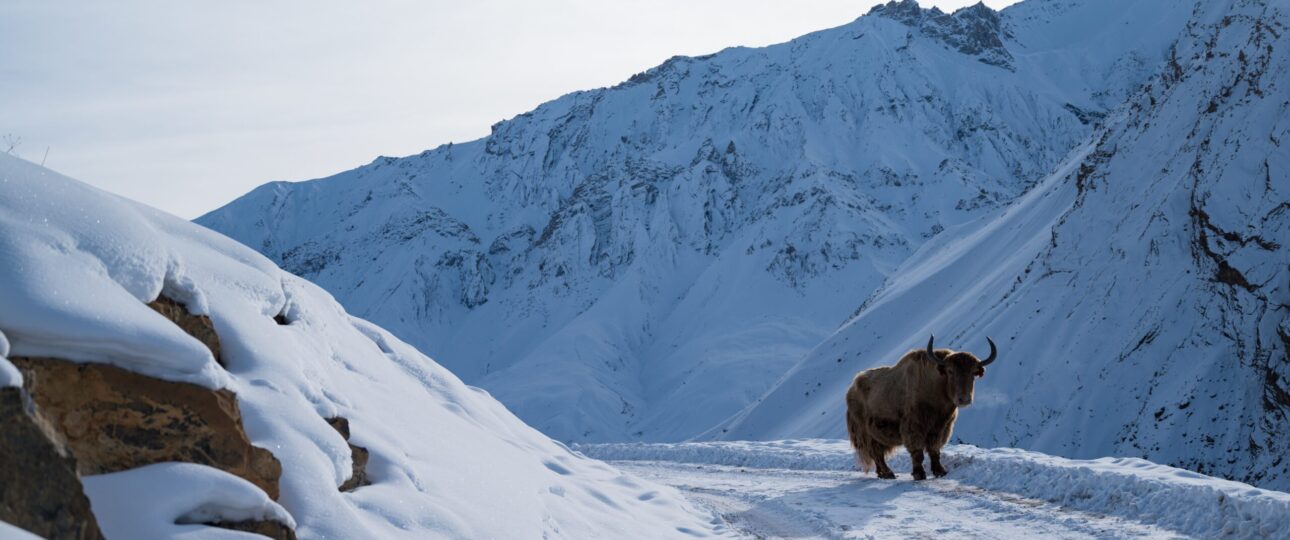
If you’re someone who loves snow and fewer crowds, then the winter season from October to February offers a completely different perspective of Ladakh. However, temperatures can drop drastically, even reaching -25°C, and most roads and tourist accommodations in remote areas like Pangong and Nubra remain closed. Despite the harsh conditions, this is a great time for photographers and those looking for winter treks such as the Chadar Trek on the frozen Zanskar River.
I wouldn’t recommend mid-November to March because the Manali–Leh and Srinagar–Leh highways are closed, making flights the only option to reach Leh. The cold is extreme, and infrastructure in remote areas becomes minimal.
In Manali Leh Summer detailed guide, you will discover:
- Why Manali to Leh in summer is a dream route
- Manali greenery and valley experiences
- Rohtang snow and ice views
- Baralacha La live mountain beauty and high-altitude experience
- Leh cold desert landscapes
- Best biking routes
- Trekking experiences
- Camping locations
- Travel tips for solo travelers
- Budget planning
- Packing essentials
- Safety tips for high-altitude adventure
Why Manali Leh Summer Is Special
Summer completely transforms the Manali-Leh route. During winter, heavy snowfall blocks roads and many passes become inaccessible. But from late May to September, roads open and reveal some of India’s most dramatic landscapes.
The biggest reason travelers love manali leh summer is because the route keeps changing every few hours.
You begin your journey in green Himalayan valleys.
Then you enter snowy mountain regions.
Later you reach rugged rocky terrains.
Finally, you arrive in Leh’s cold desert landscape.
Few road trips in the world offer such dramatic changes.
Adventure lovers especially enjoy this route because it combines:
- High-altitude biking
- Mountain camping
- Trekking opportunities
- Photography
- River crossings
- Snow views
- Star gazing
- Solo travel experiences
For Gen Z travelers, the route also delivers another thing — unforgettable content. Every turn looks social-media worthy, but the real magic is experiencing it in person.
Starting Point: Beautiful Green Manali


Summer turns Manali into a fresh paradise. Pine forests become dense and vibrant, rivers flow strongly from melting glaciers, and apple orchards begin showing signs of the upcoming fruit season.
The contrast becomes more powerful because many travelers later enter barren mountain landscapes.
Popular experiences around Manali include:
Riverside mornings
Wake up near the Beas River and hear flowing water instead of traffic noise.
Forest walks
Old Manali and nearby villages have beautiful forest trails where travelers can spend peaceful mornings.
Café hopping
Solo travelers and backpackers often spend time in mountain cafés before beginning the Leh journey.
Adventure sports
Activities include:
- Zipline
- River rafting
- ATV rides
- Short hikes
Many travelers spend 1–2 days in Manali for acclimatization before moving toward Leh.
Rohtang Pass: Snow, Ice and Mountain Drama


Even during summer, Rohtang often surprises travelers with snow patches and icy mountain surroundings.
For first-time travelers, this becomes a memorable experience.
You may start the morning in a green valley and suddenly find yourself standing beside snow.
Things that make Rohtang unforgettable:
Snow walls
Melting winter snow creates large walls beside roads.
Cold winds
Temperature drops quickly.
Fog movement
Clouds and fog move dramatically across mountains.
Photography spots
Mountain curves and snow-covered views create amazing visuals.
Rohtang literally feels like entering another world.
The Legendary Biking Experience


Thousands of riders wait every year for road openings.
The journey is challenging and exciting at the same time.
Things to do in manali leh summer
Ri.ders cross:
- Mountain passes
- Broken roads
- Water crossings
- Sharp curves
- High-altitude stretches
Popular bikes include:
- Royal Enfield Himalayan
- Royal Enfield Classic
- KTM Adventure
- Hero XPulse
Why bikers love this route
Every few hours the environment changes.
Roads become unpredictable.
Weather changes rapidly.
And every difficult stretch rewards travelers with unbelievable views.
For solo riders, this route often becomes a personal challenge and achievement.
Baralacha La: Living Beauty at High Altitude


Located at a high altitude, this mountain pass often feels unreal.
Many travelers stop here because:
- Snow remains visible
- Mountains appear massive
- Winds become extremely cold
- Landscapes look untouched
The silence at Baralacha La creates a strange feeling.
You hear almost nothing except wind.
Standing there feels like standing above the world.
Many adventure travelers call this one of the highlights of the entire route.
Leh’s Cold Desert: The Landscape That Looks Like Another Planet


Leh introduces travelers to a cold desert.
Unlike traditional deserts, this landscape combines:
- Rocky mountains
- Dry valleys
- Minimal vegetation
- Blue skies
- Dramatic shadows
The colors constantly change during the day.
Morning light creates golden mountains.
Sunset creates orange and red shades.
Night transforms everything into a sky full of stars.
For photographers and content creators, this becomes paradise.
Trekking Adventures During Manali Leh Summer
Adventure is not limited to biking.
Trekkers have multiple opportunities.
Popular trekking experiences include:
Hampta Pass Trek
One of the most loved treks near Manali.
Travelers experience:
- Forests
- Rivers
- Meadows
- Rocky landscapes
Markha Valley Trek
Near Leh, this trek offers:
- Mountain villages
- River crossings
- High passes
Short mountain hikes
Small village trails and nearby routes offer easier options for beginners.
For solo travelers, trekking also creates opportunities to meet fellow adventurers.
Camping Under Himalayan Stars
Camping is one of the most unforgettable experiences during the Manali-Leh route.
Popular camping zones include:
- Jispa
- Sarchu
- Pang
- Leh camps
Imagine:
Cold air outside your tent.
Thousands of stars above you.
Snow-covered peaks around you.
Complete silence.
Many first-time campers say mountain camping changes the way they look at travel.
Best Time for Manali Leh Summer Adventure
Ideal period:
Late May to September
Weather conditions:
May–June
- Snow views remain stronger
- Roads begin opening
July–August
- Green landscapes become more vibrant
- Comfortable temperatures
September
- Fewer crowds
- Clear skies
- Excellent photography
Solo Travel Guide
Solo travelers love the Manali-Leh route because of the community atmosphere.
You constantly meet:
- Riders
- Backpackers
- Trekkers
- Campers
- leh to manali bus
Tips:
Stay hydrated.
Acclimatize properly.
Avoid rushing.
Keep emergency contacts.
Carry offline maps.
Travel light.
Manali Leh Summer Pacakage Price
Approximate expenses:
Budget travelers:
₹15,000–₹25,000
Mid-range travelers:
₹30,000–₹45,000
Premium adventure travelers:
₹50,000+
Costs depend on:
- Bike rental
- Accommodation
- Fuel
- Food
- Activities
Essential Packing Checklist
Carry:
- Warm jackets
- Thermal wear
- Gloves
- Sunglasses
- Sunscreen
- Power bank
- Basic medicines
- Trekking shoes
- Rain protection
- Water bottle
Temperature drops suddenly at high altitudes.
Even summer nights can feel extremely cold.
Safety Tips for High-Altitude Travel
Adventure becomes enjoyable when safety is handled properly.
Important precautions:
Do not ignore symptoms of altitude sickness.
Drink enough water.
Avoid alcohol during initial days.
Rest if breathing feels difficult.
Start slowly.
Avoid overexertion.
Final Thoughts
The beauty of manali leh summer is not just about reaching Leh.
It is about the journey itself.
It starts with Manali’s green valleys and forests.
It surprises you with Rohtang snow and ice.
It leaves you speechless at Baralacha La.
And finally it rewards you with Leh’s cold desert beauty.
For adventure lovers, solo travelers, and Gen Z explorers, this route delivers everything in one package — biking, trekking, camping, mountain roads, breathtaking views, and memories that stay for years.
Some trips become vacations.
Some become stories.
Manali to Leh in summer becomes both.
Contact Fantasy World Holidays today for a free, no-obligation family trip quote:
📞 Call / WhatsApp: +91 9999-503-888 📧 Email: booking@fantasyworldholidays.com 🌐 Website: www.fantasyworldholidays.com
Open 7 days a week. Tell us your family size, travel dates, and destinations you’re curious about — and we’ll take it from there.